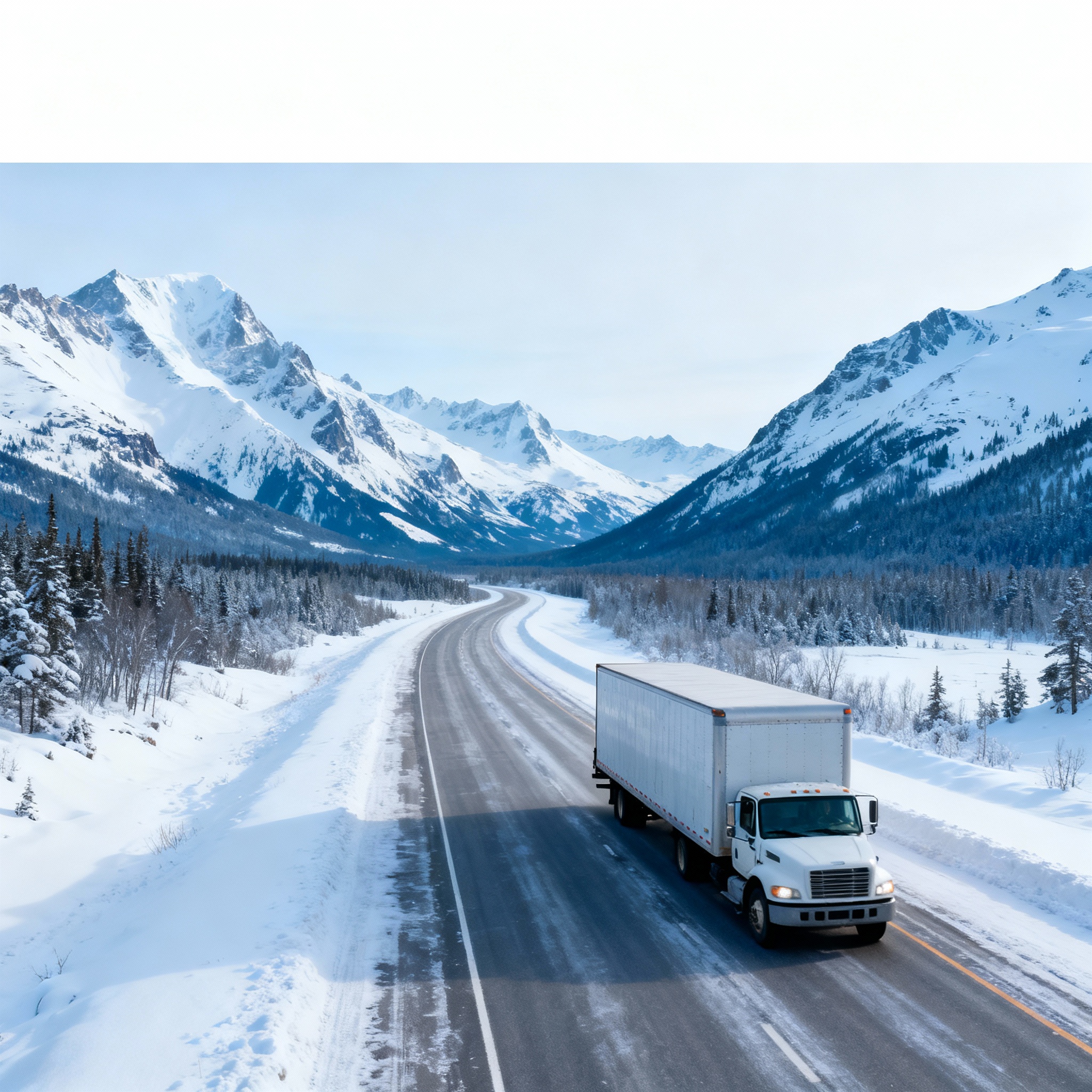
Moving in Alaska: Costs & Budget
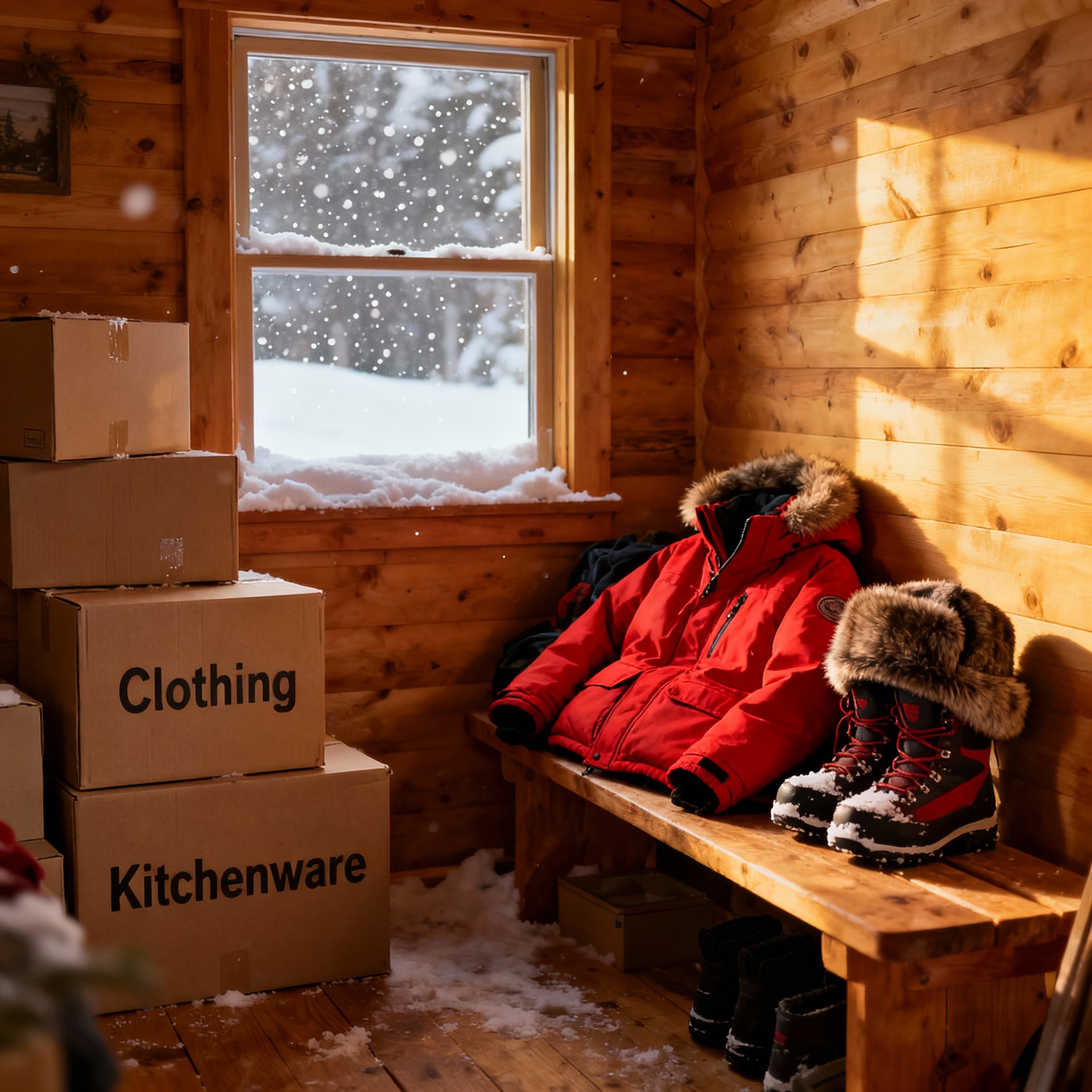 Moving in Alaska demands careful budgeting, route planning, and cold‑weather packing so that long distances, ferries, and remote access do not cause schedule slips or unexpected costs. A resilient budget accounts for line‑haul, Alaska Marine Highway ferry fees, heated storage, winterization materials, and weather buffers that protect both the shipment and the family timeline. For trusted guidance, see Independence Moving and Storage in Alaska.
Begin with an inventory measured by volume and fragility, flagging cold‑sensitive items and deciding which goods travel together or on split routings. Estimate per‑mile long‑haul rates with seasonal surcharges, add ferry tariffs by vehicle length and height, and reserve funds for sailing changes; for road‑inaccessible communities, plan for bush planes or winter roads with narrow time windows.
 Obtain written quotes that itemize packing, disassembly/reassembly, tracking, insurance, stairs, long carries, wait time at terminals, and temperature risks. Favor partners with proven Arctic procedures, insulated warehouses, and clear escalation paths during storms and ferry delays, because these traits correlate with fewer surprises and better cost control.
When comparing providers, keep the scope identical and normalize cube, linear footage, packing standards, and liability levels across quotes. Ask for photos of heated storage, equipment, and snow‑season tie‑down practices, and review exclusions related to weather and marine operations so that all parties understand the boundaries of responsibility.
Build a three‑lane schedule: household prep, transport execution, and destination intake. Gate each lane with milestones such as purchasing insulation, ferry booking, storage confirmation, tire/chain checks, and policy updates. Add sliding windows for snowfall, thaw cycles, and icing that could slow ferries or mountain passes, keeping stakeholders aware of buffer consumption.
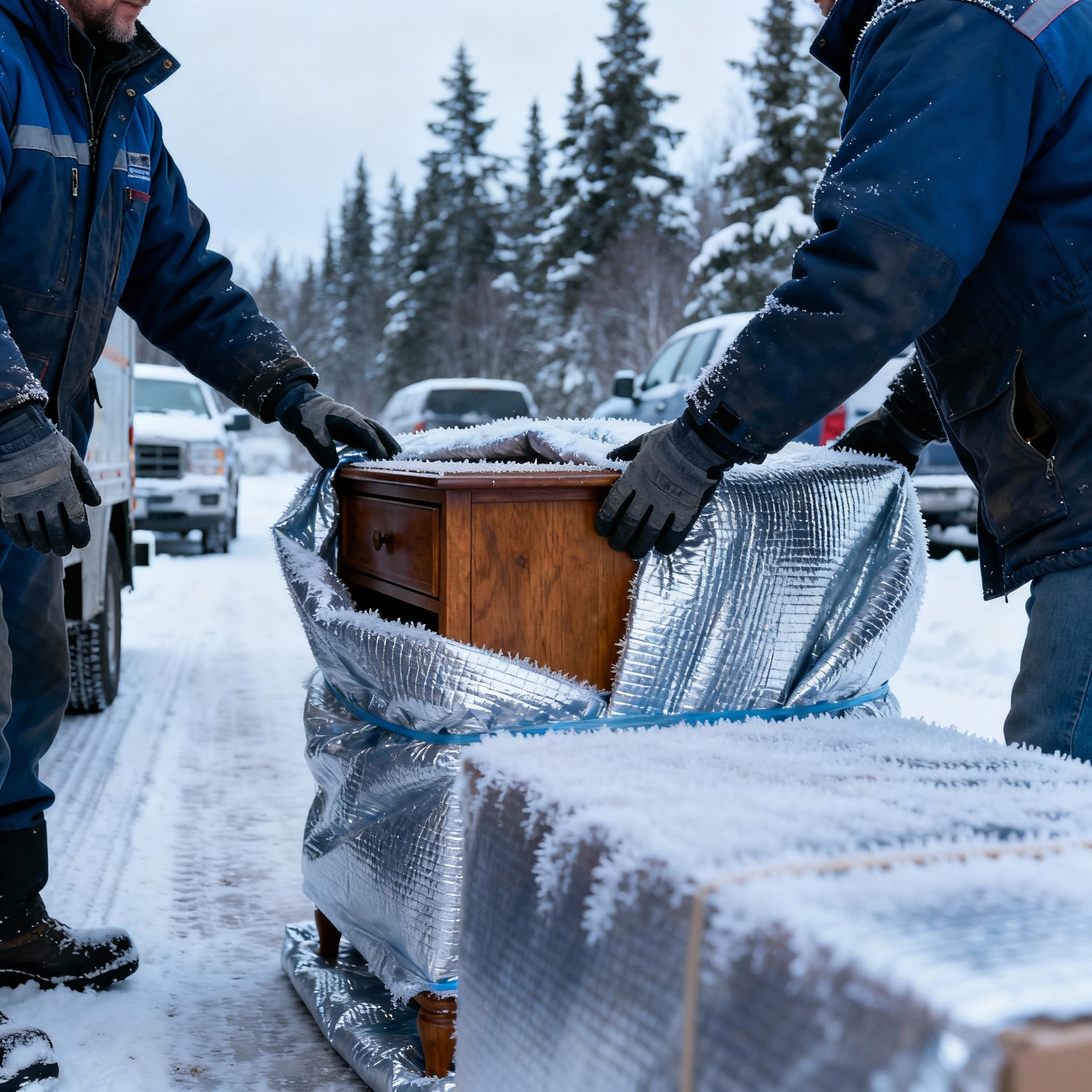
 Packing choices matter: thermal blankets, foam panels, liners, gel packs, and moisture control reduce freeze damage and condensation. Electronics and instruments need multi‑layer protection, while liquids and chemicals often require winter‑safe alternatives or separate shipment. Keep boxes dense with a low center of gravity to avoid collapse after long hours in sub‑zero temperatures.
Heated storage bridges timing gaps when routings do not align, and partial shipments can reduce exposure by sending critical items by air while bulk goods follow the ferry. Validate the last‑mile script in advance: snow clearing, staging zones, lighting, and outlet access all reduce idle time and change orders.
Financially, create a base estimate, a managed buffer, and a force‑majeure reserve, then update figures at each milestone: inventory complete, ferry booked, storage confirmed, weather checked T‑7 days. This cadence makes the budget transparent and resilient in Alaska’s shifting conditions.