
Alaska Move Checklist: Cost Controls
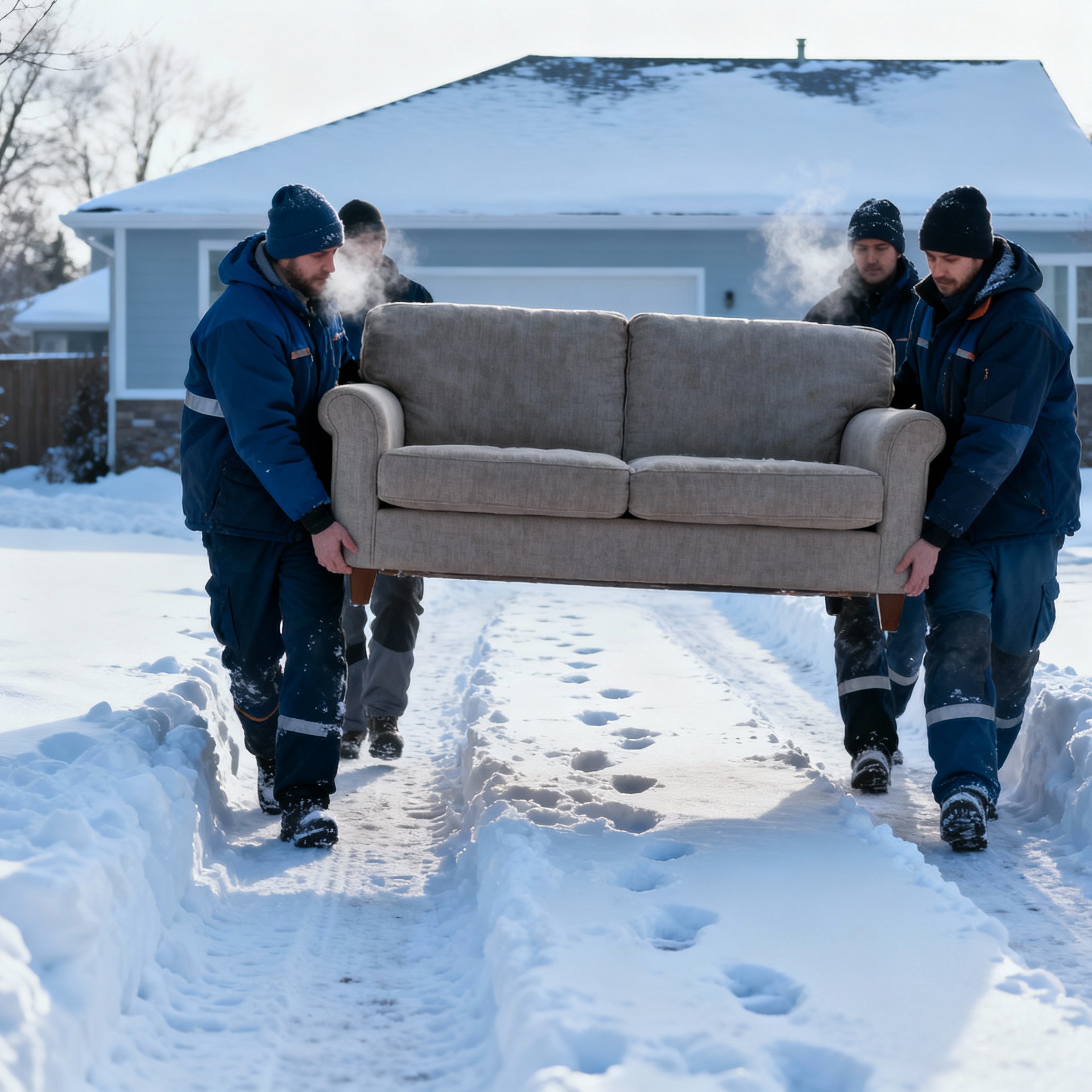
This checklist focuses on cost control and risk prevention for Alaska moves, where weather, ferry schedules, and packing quality drive outcomes. It serves families and logistics managers who need a predictable process and a clear financial picture.
Inventory and labels: sort by temperature sensitivity, flag electronics, liquids, and antiques, and use color codes for unload priority. Packing: thermal blankets, foam panels, moisture control, reinforced cartons, low voids, stable bottoms. Tie‑downs: anti‑sway on ferries, anti‑shift for mountain passes, and size/weight compliance for air.

Transport and tires: tread depth, chains, de‑icer kits, lights, vests. Storage: heated zones, rack photos, access rules, long‑term rates. Documents and insurance: policies, receipts, contracts, move authorizations, and contact trees.
Ferries: schedules, tariffs, height limits, buffer for rollovers. Weather: trusted forecast sources, storm plans, warm‑up windows for load/unload. Last mile: plowing, lighting, mats, floor protection, room zones.
Finance: base estimate, managed buffer, force‑majeure fund, change logs, and recurring reconciliations with the mover. Communications: one chat, daily status, escalation rules. Intake: unload checklist, photos, damage notes, and packaging disposal plan.
Cold chain awareness defines exposure limits per item class and enforces heated stops on long routes. Photo evidence captures packing, tie‑downs, and seal integrity at each hand‑off to reduce disputes. Spare kits—blankets, shrink wrap, desiccants, and corner protectors—are staged for on‑route contingencies. Rollover logic with pre‑approved ferry alternates and storage slots minimizes schedule shock.
Acceptance tests cover scan counts, exterior checks, temperature notes, and room‑by‑room placement sign‑off. Waste plans flatten cartons, stack pallets, and schedule disposal so sites return to normal quickly. Learning loops track defects by category and season to refine packing and routing standards.
Vendor KPIs—on‑time rate, damage rate, responsiveness, and claim cycle time—inform future awards. Budget guardrails set variance thresholds that trigger approvals and scope clarifications mid‑move. Audit trails centralize docs and photos with timestamps for transparency and compliance.
This checklist focuses on cost control and risk prevention for Alaska moves, where weather, ferry schedules, and packing quality drive outcomes. It serves families and logistics managers who need a predictable process and a clear financial picture. (Detail 1)
Inventory and labels: sort by temperature sensitivity, flag electronics, liquids, and antiques, and use color codes for unload priority. Packing: thermal blankets, foam panels, moisture control, reinforced cartons, low voids, stable bottoms. Tie‑downs: anti‑sway on ferries, anti‑shift for mountain passes, and size/weight compliance for air. (Detail 2)
Transport and tires: tread depth, chains, de‑icer kits, lights, vests. Storage: heated zones, rack photos, access rules, long‑term rates. Documents and insurance: policies, receipts, contracts, move authorizations, and contact trees. (Detail 3)
Ferries: schedules, tariffs, height limits, buffer for rollovers. Weather: trusted forecast sources, storm plans, warm‑up windows for load/unload. Last mile: plowing, lighting, mats, floor protection, room zones. (Detail 4)
Finance: base estimate, managed buffer, force‑majeure fund, change logs, and recurring reconciliations with the mover. Communications: one chat, daily status, escalation rules. Intake: unload checklist, photos, damage notes, and packaging disposal plan. (Detail 5)
Cold chain awareness defines exposure limits per item class and enforces heated stops on long routes. Photo evidence captures packing, tie‑downs, and seal integrity at each hand‑off to reduce disputes. Spare kits—blankets, shrink wrap, desiccants, and corner protectors—are staged for on‑route contingencies. Rollover logic with pre‑approved ferry alternates and storage slots minimizes schedule shock. (Detail 6)
Acceptance tests cover scan counts, exterior checks, temperature notes, and room‑by‑room placement sign‑off. Waste plans flatten cartons, stack pallets, and schedule disposal so sites return to normal quickly. Learning loops track defects by category and season to refine packing and routing standards. (Detail 7)
Vendor KPIs—on‑time rate, damage rate, responsiveness, and claim cycle time—inform future awards. Budget guardrails set variance thresholds that trigger approvals and scope clarifications mid‑move. Audit trails centralize docs and photos with timestamps for transparency and compliance. (Detail 8)
This checklist focuses on cost control and risk prevention for Alaska moves, where weather, ferry schedules, and packing quality drive outcomes. It serves families and logistics managers who need a predictable process and a clear financial picture. (Detail 9)