
Planning Alaska Moves: Buffers & Timing
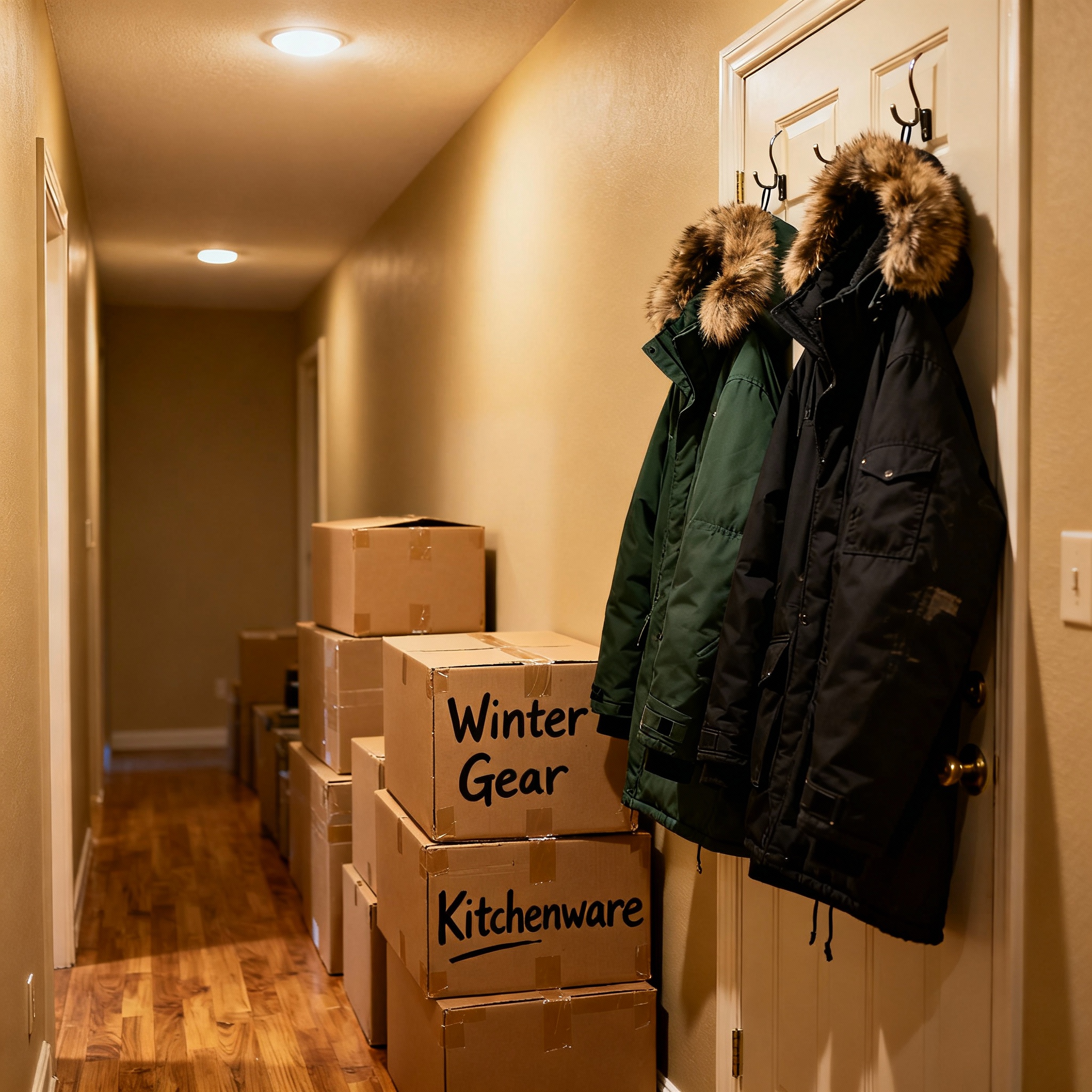 Effective Alaska move planning synchronizes ground segments, ferries, and possible airlifts to remote communities while respecting seasonal constraints, using a disciplined inventory, a dated checklist, hard reservations for scarce resources, and a fallback plan when roads ice over or marine advisories appear.
Classify items by cold risk—electronics, solid wood furniture, liquids, antiques—and assign packing standards with insulated liners, non‑brittle wraps, and tie‑downs suitable for ferries and passes to reduce hidden damage and disputes.
 Split the schedule into preparation, transit, and intake tracks with dependencies like “no ferry booking before storage confirmation” and “no convoy release without a weather window,” defining owners, readiness criteria, documents, and sliding buffers or alternate routes if winter roads close.
Communications matter: one channel for dispatch, accounts for ferry tracking, a pre‑departure call, and transparent budget updates when conditions shift, with staged deliveries and mid‑route storage points to de‑risk tight connections.
The last mile covers access, plowing, temporary lighting, floor protection, and a room‑by‑room sequence to minimize idle time, followed by inventory reconciliation and punch‑list logging for warranty follow‑up so the project closes cleanly.
 Risk management pairs weather intelligence with decision thresholds that trigger convoy holds, re‑routes, or storage activation before costs escalate, while procurement aligns scopes across bidders, normalizing cube, linear feet, packing materials, insurance, and surcharges for apples‑to‑apples comparisons.
Resource calendars block scarce assets—ferry space, heated storage, specialized crews—well ahead of peak season to avoid premium rates, and operational checklists cover chains, fluids, de‑icers, PPE, radios, and documentation to keep departures crisp in sub‑zero conditions.
Route validation includes choke points, grade profiles, wind corridors, and service availability for fuel, food, and rest in winter, and data hygiene tracks estimate versions, assumptions, and change reasons so financial drift remains visible and actionable.
Stakeholder briefings align households, drivers, warehouse leads, and destination contacts on timing, roles, and contingency plays, with quality gates enforcing photo evidence for packing, tie‑downs, and temperature‑sensitive items before vehicles roll.
Safety culture emphasizes slow‑is‑smooth in ice, defines maximum exposure outside heated areas, codifies stop‑work triggers, and continuous improvement closes the loop with post‑mortems that capture season‑specific lessons for the next move cycle. (Detail 1)
Repeat readiness audits confirm tires, chains, cold‑rated fluids, de‑icer kits, and emergency gear, with escalation paths documented for ferry rollovers and mountain pass closures to minimize schedule shock and rental overruns. (Detail 2)
Document control standardizes versioning for quotes, packing lists, and insurance binders, while KPI dashboards track on‑time departures, idle minutes, touch‑count per item, and variance to estimate, driving mid‑route corrections. (Detail 3)
Heated storage strategies define temperature thresholds, pallet patterns, aisle widths, and pick sequences for split shipments, keeping critical items accessible without exposing bulk freight to unnecessary cold cycles. (Detail 4)
Convoy protocols set following distances, radio checks, and regroup points near services, with hazard briefings for black ice, wind gust corridors, and wildlife zones, ensuring predictable pace without compromising safety. (Detail 5)
Destination intake windows coordinate with building rules, elevator bookings, and snow clearance teams, while room maps and label color‑codes compress unload time and reduce change orders that inflate spend. (Detail 6)
Financial cadence ties milestone approvals to weather checks T‑72/T‑24/T‑7, ferry confirmations, and storage receipts, refreshing the forecast and documenting causes for any variance beyond thresholds. (Detail 7)
Post‑project reviews tag defects by root cause—packing, routing, weather, comms—feeding a seasonal playbook that improves outcomes on the next lane or season. (Detail 8)